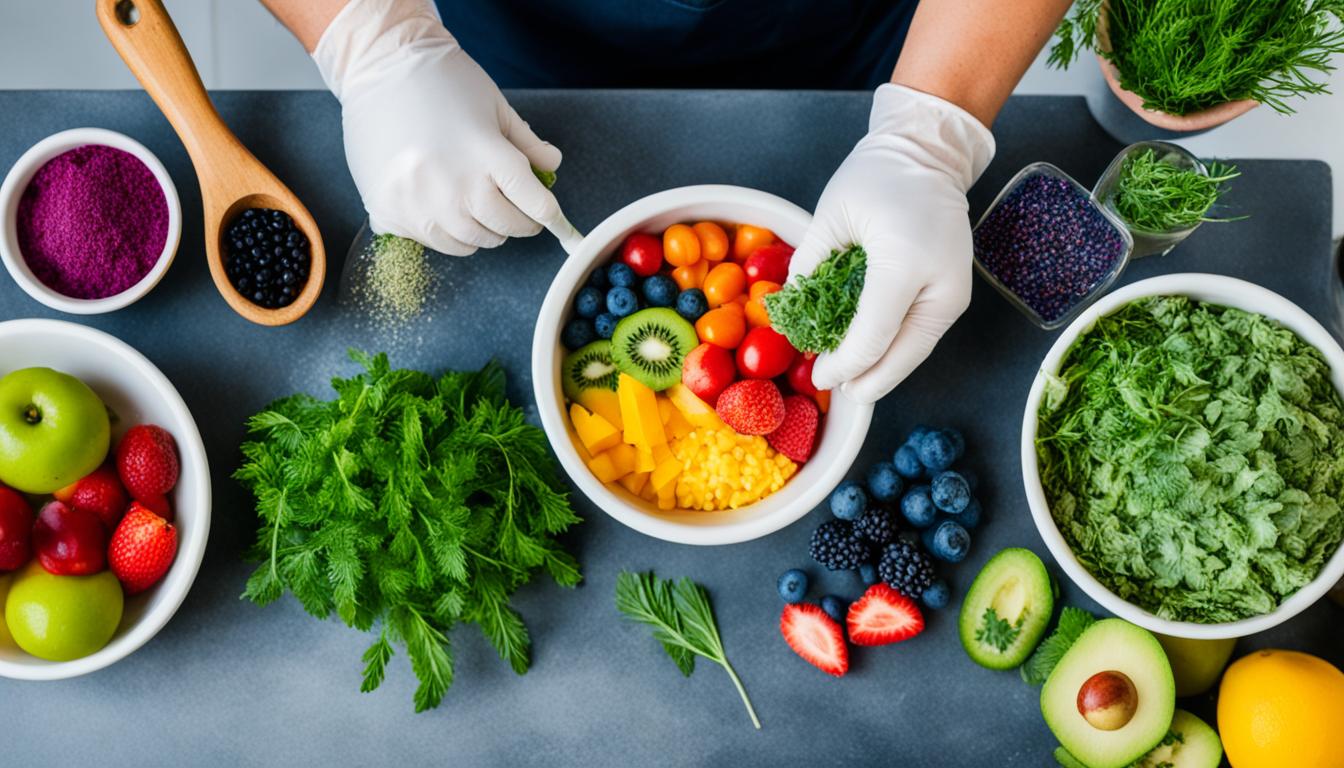
In today’s fast-paced world, taking care of yourself is key. Making your own face masks is a great way to keep your skin healthy and glowing without using harsh chemicals. This guide will show you how to make your own masks at home.
Learn how to use natural ingredients for a glowing complexion. These DIY masks can help with specific skin issues or just make you feel pampered. Say goodbye to store-bought products and try a natural approach to better skin.
Benefits of Homemade Natural Face Masks
Homemade natural face masks have many benefits over commercial ones. They save money and let you tailor ingredients to your skin type. This way, your skin gets the nourishment it needs from natural sources.
Cost-Effective Skincare Routine
Making your own face masks at home can cut down your spending a lot. With just a few cheap ingredients from your kitchen, you can make effective treatments. This lets you control your skincare without spending a lot.
Natural Ingredients for Healthy Skin
Homemade masks use natural, plant-based ingredients that feed your skin. Ingredients like honey, avocado, oatmeal, and yogurt show the power of nature in skincare. These ingredients work together to keep your skin healthy and glowing.
Essential Ingredients for DIY Face Masks
Creating effective homemade face masks starts with the right ingredients. By using natural components, you can make skincare solutions that fit your needs. Let’s look at key ingredients like honey, avocado, oatmeal, yogurt, and more. These ingredients offer many benefits, from hydration to antioxidant protection and exfoliation.
Honey is great for acne-prone or dry skin because it’s antibacterial and moisturizing. Avocado is full of fatty acids and vitamins that deeply hydrate the skin. Oatmeal gently exfoliates and calms irritation, while yogurt brightens and refines the skin with its probiotics and lactic acid.
By adding these natural ingredients to your face masks, you can tailor your skincare to your needs. Whether you want to reduce blemishes, improve your glow, or moisturize dry skin, you can mix and match these ingredients. Find the perfect mix that makes your skin feel refreshed, rejuvenated, and healthy.
Beauty Hacks: Nourishing Face Mask Recipes
Discover easy-to-make, nourishing face mask recipes at home. These DIY face masks can change your beauty routine. They help hydrate your skin or target specific concerns.
Honey and Avocado Face Mask
Honey and avocado are great together for a hydrating face mask. Honey moisturizes and fights bacteria. Avocado adds healthy fats and vitamins to soothe and replenish the skin.
Mash a ripe avocado and mix in some raw honey. Apply it to your face. Leave it on for 15-20 minutes, then rinse with warm water. You’ll get a radiant, dewy look.
Oatmeal and Yogurt Face Mask
Combine ground oatmeal and plain yogurt for a soothing mask. Oatmeal absorbs oil and reduces inflammation. Yogurt gently exfoliates and brightens the skin.
Mix equal parts oatmeal and yogurt. Apply it to your face. Let it sit for 10-15 minutes, then rinse with cool water. It’s great for sensitive or acne-prone skin.
These homemade face masks let you customize for your skin. Try different ingredients to find the best mix. Your skin will feel nourished, refreshed, and glowing.

Face Mask Preparation Tips
Making your own face masks at home is both rewarding and saves money. But, to make sure they work well, follow some easy tips. First, selecting the right ingredients is key. Pick ones that fit your skin type and what you want to improve.
Choosing the Right Ingredients
It’s vital to know what your skin needs when making DIY face masks. Ensure your homemade face masks are effective by picking ingredients that help your skin. Whether your skin is dry, oily, or a mix, there are natural options that can help.
After picking the right ingredients, mix and store them correctly. Use clean bowls and tools to avoid germs. Mix everything well, and keep your masks in airtight containers in the fridge to stay fresh.
By following these tips, you can learn how to select the right ingredients and mix and store your DIY treatments. This way, your homemade face masks will be both effective and good for your skin.
Application and Removal Techniques
Properly applying and removing your homemade face masks is key for the best results. Learn the right ways to apply, how long to leave it on, and how to remove it. This will leave your skin feeling refreshed and radiant.
Start by cleaning your skin to remove dirt, oil, or impurities. Then, gently pat your skin dry. Next, use a clean brush, your fingers, or a face mask applicator to spread the mask evenly over your face. Make sure to skip the delicate eye area.
The mask should be left on for 10-20 minutes. This lets the ingredients deeply penetrate and work their magic. Set a timer to avoid leaving it on too long, which could irritate your skin.
To remove the mask, rinse your face with lukewarm water. Don’t use hot water, as it can strip your skin of its natural oils. After rinsing, gently pat your skin dry with a clean towel. Finally, apply your preferred moisturizer to lock in the mask’s benefits.
Customizing Face Masks for Your Skin Type
Creating homemade face masks means tailoring them to your skin’s needs. Not every skin type or concern is the same. Let’s look at the best ingredients for dry and oily skin to make the perfect mask for you.
Dry Skin Face Mask Options
If your skin is dry, choose ingredients that moisturize and hydrate. Honey and avocado are great together. Honey draws in moisture, and avocado conditions deeply. Another good choice is oatmeal and yogurt, which soothe dry skin.
Oily Skin Face Mask Options
For oily skin, pick ingredients that control oil and shrink pores. Clay and charcoal are top choices for pulling out dirt and oil. Try mixing bentonite clay with tea tree oil or activated charcoal with green tea for oily skin issues.
The secret to making your own face masks is to Customize your homemade face masks to target your specific skin type and concerns. Knowing which ingredients suit your skin lets you make masks that are both effective and nourishing at home.
Benefits of Regular Face Mask Treatments
Using homemade face masks regularly can greatly benefit your skin. These natural treatments improve skin hydration, lessen blemishes, and enhance a healthy glow.
Homemade face masks deeply nourish and hydrate the skin. Ingredients like honey, avocado, and yogurt keep moisture in, making your skin soft and refreshed. They also help reduce fine lines and wrinkles, giving your skin a youthful look.
These masks can also tackle specific skin issues like acne and blemishes. Ingredients such as clay and oatmeal absorb excess oil, clear pores, and lessen breakouts. Adding these natural remedies to your routine can lead to clearer, more even skin.

Regular face mask treatments offer long-term benefits for your skin’s health and look. They nourish and protect your skin, strengthening its barrier against environmental harm. This makes your skin more resilient and radiant over time.
Ingredient Combinations to Avoid
Most natural ingredients are safe for most skin types. But, some combinations can cause irritation or allergic reactions. It’s important to know which ingredients not to mix together and how to spot potential allergens in your face mask recipes.
Potential Allergens and Irritants
Some natural ingredients can be tricky for certain people. Essential oils like lavender, citrus, and peppermint might irritate or cause allergic reactions in sensitive skin. Nuts, seeds, and some fruits can also trigger allergies in those who are sensitive.
Always test a new ingredient on a small area of your skin before using it in a face mask. This helps you find out if you’re allergic to it before applying it to your whole face. Watch for any signs of redness, itching, or other bad reactions after trying a new ingredient.
Also, be careful not to mix too many potentially irritating ingredients in one mask. Even if each one is safe alone, together they could irritate your skin. Use gentle, soothing ingredients for your DIY face masks to make sure they work well for you.
Storing and Preserving Homemade Face Masks
Storing and preserving your homemade face masks right is key to keeping them effective and fresh. Learn the best ways to store them, how to make them last longer, and how to tell if they’ve gone bad.
For storing, an airtight container is a must. Choose glass jars or food-grade plastic containers with tight lids. This keeps your masks fresh and safe from germs. Don’t leave them in the sun, heat, or damp places, as these can spoil the ingredients and lessen the mask’s power.
To keep your DIY face masks fresh for longer, store them in the fridge. The cool fridge slows down the ingredients’ breakdown. Just remember to let the mask warm up before putting it on your skin to avoid any discomfort.
Watch for signs that your homemade face mask has gone bad. Bad smells, changes in color or texture, and mold or bacteria mean it’s time to throw it away. Always err on the side of caution and don’t use expired or spoiled products.
Face Mask Dos and Don’ts
To get the most out of your homemade face masks, learn the dos and don’ts. Knowing how to apply them, how often to use them, and what mistakes to avoid is key. This knowledge will help you get that healthy, glowing skin you want.
First, pick the right ingredients for your skin type. To ensure the best results from your homemade face masks, familiarize yourself with the dos and don’ts of using these natural skincare treatments. Stay away from ingredients that might irritate or cause allergic reactions. Always test a small area of your skin before using a new mask on your whole face.
Learn about proper application techniques, frequency of use, and potential mistakes to avoid for healthy, glowing skin. Spread the mask thinly and evenly, skipping the delicate skin around your eyes. Let it sit for 10-20 minutes, then wash it off with warm water.
Don’t overdo it with the masks. They’re great for your skin, but using them too often can be bad. Stick to using a mask 1-2 times a week to keep your skin balanced and prevent dryness or irritation.
Also, avoid mistakes like using old ingredients, not cleaning your skin before applying the mask, or leaving it on too long. These errors can undo the good work of your homemade masks and even harm your skin.
By following these tips, you’ll be on your way to enjoying the many perks of homemade face masks. You’ll get that healthy, glowing skin you’ve always wanted.
Incorporating Face Masks into Your Skincare Routine
Learning to add homemade face masks to your skincare routine is crucial for glowing skin. It’s important to know when and how to use these natural treatments. Also, learn how to mix them with other products for a full skincare plan.
Adding face masks to your routine gives your skin a nourishing boost and deep cleanse. Try to use a mask 1-2 times a week to avoid over-treating. Apply it after cleansing to let the ingredients work well.
Pair your homemade mask with your usual moisturizer, serums, and other skincare steps. This makes your routine complete and tailored to your needs.
Try out different mask recipes to see what suits your skin best. A hydrating mask can add moisture, while a clarifying mask can shrink pores and control oil. Mixing face masks with your favorite products creates a skincare plan that makes your skin look radiant and healthy.