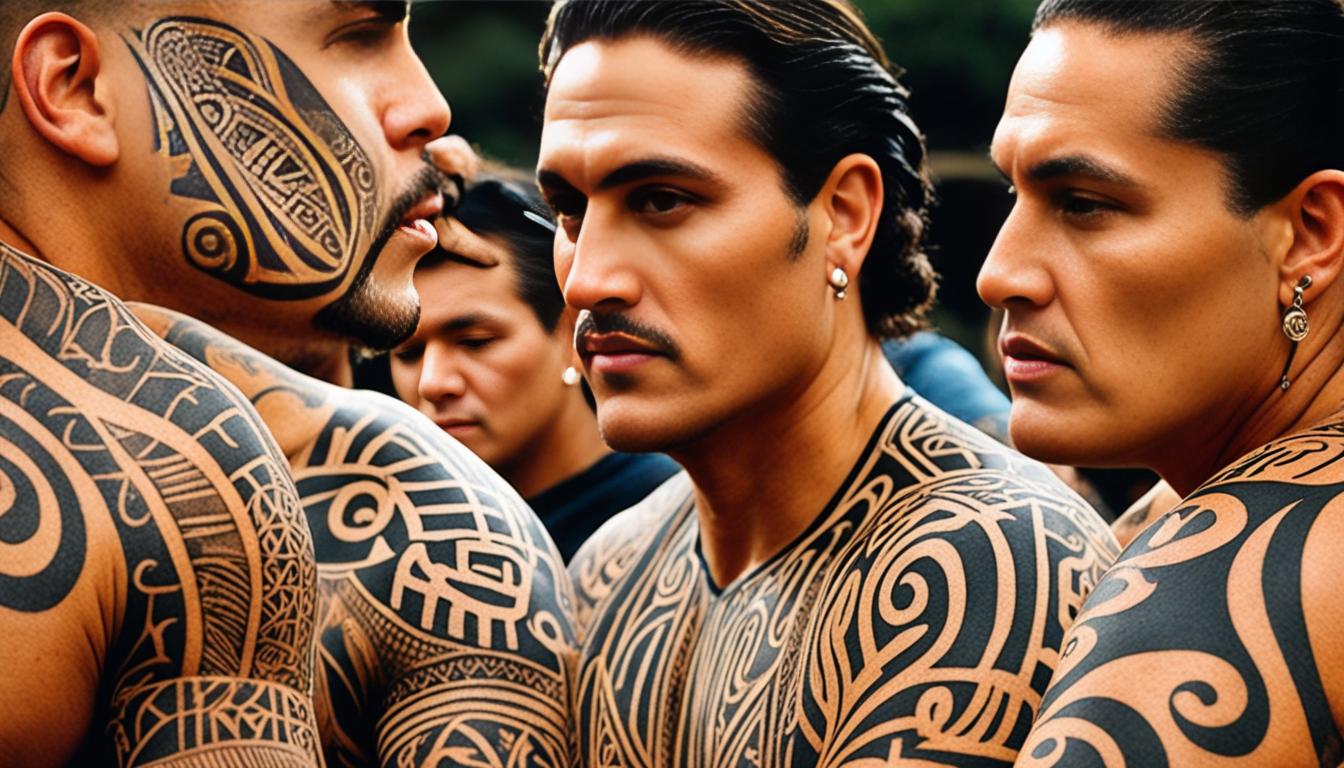
The Maori, New Zealand’s indigenous people, have a rich cultural heritage. This deep dive explores the heart of Maori culture. It shows the traditions, beliefs, and practices that define who they are. From their detailed art to their captivating performances, their culture is full of life.
Maori culture values the natural world and community deeply. Their traditions, connected to the land and ancestors, have lasted through time. They are still celebrated with great passion. By learning about the Maori worldview and values, we appreciate New Zealand’s culture more deeply.
The Essence of Maori Culture
Maori culture is full of rich traditions, beliefs, and values passed down through generations. It’s deeply connected to the land, ancestors, and community. This unique worldview shapes the lives of New Zealand’s indigenous people.
Exploring the Roots of Maori Traditions
The roots of Maori culture go back centuries. Customs and rituals have been preserved and honored. Things like Maori carvings and traditional dances show the resilience of the Maori people.
Learning about these traditions helps us understand the values and beliefs of the Maori. It shows us the importance of their unique worldview.
Maori Values and Beliefs: A Unique Worldview
Maori culture values respect for nature and a strong community bond. They believe everything is connected, from the land to ancestors and future generations. This view is seen in values like kaitiakitanga (guardianship of the environment) and whanaungatanga (family and social ties).
These values guide the Maori way of life. They are deeply connected to their heritage and the land.
Maori Art: Expressions of Culture
At the heart of Maori culture is a deep artistic tradition. It has lasted for centuries. The Maori carvings on meeting houses and the sculptures in public spaces show the power of their art. They express the Maori people’s heritage, values, and beliefs.
Traditional Maori Carvings and Sculptures
Maori carvings are known for their detailed designs and deep meanings. Made from wood, bone, and stone, they often show ancestral figures and creatures from myths. Each part of the carving tells a story, linking the physical and spiritual worlds.
Maori sculptures are also a sight to behold. They range from big public works to small, personal pieces. These sculptures tell stories of history, honor ancestors, or show the beauty of nature. They amaze people all over the world.
Making Maori art is a spiritual process. Carvers and sculptors learn from their elders. Their work shows the Maori people’s dedication to keeping their culture alive and sharing it with everyone.
Maori Performing Arts: Preserving Cultural Heritage
Maori performing arts, like dance and music, are key to keeping the Maori culture alive. The haka, poi, and other traditional dances connect the Maori to their history. They also share their culture with the world.
The haka dance is a powerful symbol of Maori culture. It’s known for its stomping, slapping, and chanting. This dance shows strength, unity, and pride. It entertains and teaches Maori traditions to the next generations.

The poi dance is another way the Maori keep their culture alive. Dancers move balls on strings in beautiful patterns. This dance shows off Maori skill and the importance of Maori music in their culture.
Maori performing arts celebrate and share their culture with everyone. By keeping these traditions alive, the Maori ensure their heritage will inspire future generations.
Maori Mythology: Legends and Folklore
The Maori people of New Zealand have a deep and fascinating world of myths, legends, and folklore. These stories, tied to nature and the spiritual world, are very important to the Maori. They help the Maori understand the universe and their place in it.
The Significance of Maori Oral Traditions
Maori oral traditions are key to keeping their culture alive. Through chants, songs, and stories, these tales connect the Maori to their past. They share knowledge, values, and beliefs that are key to who they are.
Maori myths and legends focus on the natural world. They tell of gods and supernatural beings that live in the land, sea, and sky. These stories explain where the Maori came from, their bond with nature, and the balance between the physical and spiritual worlds.
Keeping these stories alive has been hard, as modern life and global changes threaten them. But the Maori are working hard to keep their culture alive. They want to make sure their myths and folklore are shared with future generations.
The Maori are fighting to keep their stories alive. They know it’s important for their culture and identity. They want to make sure their myths and folklore are here for the future.
The Role of Spirituality in Maori Culture
Maori culture is deeply spiritual. They have a strong bond with nature and their ancestors. This bond shapes their beliefs and traditions.
Maori spirituality sees everything as connected. They believe in a world of both physical and spiritual realms. This idea is called Wairua. It shows how everything, from nature to humans, is linked.
They practice karakia (prayers) and whaikōrero (formal speeches). These acts honor their ancestors and connect them with the spiritual world. They believe these rituals help them live in harmony with nature.
The Maori have a deep respect for nature. They see the land, sky, and sea as sacred. This respect is shown in their art and stories, aiming to protect nature.
Spirituality is a key part of being Maori. It influences their values and way of life. This makes Maori culture rich and lasting.
Maori Language: The Heartbeat of Identity
The Maori language, known as Te Reo Maori, is vital to the Maori culture and identity. It connects the Maori people to their ancestors. The Maori community works hard to keep the language alive today.
Revitalizing Te Reo Maori
For years, the Maori language was at risk of disappearing. Colonization and assimilation policies tried to stop its use. But the Maori people fought to keep their language alive.
Initiatives like Kohanga Reo and Kura Kaupapa Maori have helped teach Maori to young people. These efforts are bringing back the Maori language.
The Maori language shows the Maori worldview, traditions, and identity. Keeping it alive means protecting their heritage. It ensures their culture and values are shared with future generations.

Revitalizing the Maori language unites the Maori people. They work together to keep their language strong. Programs, media, and education help make sure the language stays alive.
This effort strengthens their cultural identity and ties to their past.
Maori Cuisine: A Delicious Cultural Experience
Maori cuisine shows the deep bond the Maori people have with the land and their rich culture. It uses traditional cooking like the hangi (earth oven) and native ingredients. This makes Maori food a unique and tasty cultural experience.
At the core of Maori cuisine is a love for nature and a deep knowledge of the land’s gifts. Traditional dishes often include native plants, seafood, and game, all cooked with care and respect. This shows their long-standing traditions and strong bond with the environment.
The hangi is a key part of Maori cooking. It’s a method where food is cooked in an underground oven. Layers of meat, veggies, and other ingredients are placed on hot stones, then covered with wet fabric and soil. This creates a feast that’s both tasty and a way for families to come together.
Maori cuisine has many other traditional dishes, each with its own special taste and meaning. From the smoky puha (sow thistle) to the sweet kumara (sweet potato), these dishes highlight the Maori people’s diverse and deep connection with the land.
Trying Maori cuisine is more than just eating; it’s a chance to connect with the Maori culture. It lets you understand their traditions and their sustainable way of eating. By enjoying Maori food, visitors can have a deep and meaningful cultural experience.
Culture and Diversity: Embracing Maori in Modern Society
New Zealand has changed, but the Maori culture has fit right in. It adds to the country’s diversity and touches many parts of life today. The Maori people keep their traditions but also change with the times. Their culture is now a big part of New Zealand.
Maori culture is seen in art, literature, education, and politics. Their art, like carvings and weaving, is known worldwide. It shows their skill and deep meanings. The haka dance is another example of their rich culture.
The Maori language, Te Reo Maori, is coming back to life. Efforts by the government, schools, and communities are helping. This keeps the language alive for the future.
Maori culture goes beyond art and language. It shapes New Zealand’s society. Values like caring for the environment and community are now in policies and conservation efforts. This shows New Zealand’s love for its Maori roots.
The Maori people show how to keep their culture alive in today’s world. Their story is one of strength and change. New Zealand values diversity and the Maori culture’s impact will last for many years.
Respecting and Protecting Maori Cultural Heritage
Keeping Maori cultural heritage safe is key. It makes sure their traditions, values, and ways of life keep going. This effort honors their past and keeps their culture alive for the future.
It’s important to recognize the Maori people’s cultural rights. They have a strong bond with their land and traditions. It’s crucial to respect and protect this bond. Supporting the Maori in making decisions about their heritage is vital.
Protecting Maori culture means fighting against threats like commercial interests and land development. Working with Maori communities, making strong policies, and spreading awareness helps. This way, we keep the Maori culture and legacy alive for the next generations. It’s a way to honor their identity and add to the world’s cultural diversity.